Tuesday, October 27, 2020

Best facial recognition security cameras for 2020 - CNET

Want a security camera that identifies faces? Here are your top choices.

from CNET News https://ift.tt/3oB1xwT

PS5 launch games: All the PlayStation 5 titles you can buy on day 1 - CNET

The PlayStation 5 has much more than Spider-Man: Miles Morales and Demon's Souls.

from CNET News https://ift.tt/3kF0jhS

India could contribute up to 20% of Amazon's growth in next 5 years, tech investor Gene Munster says

Amazon has announced investments of at least $6 billion in India, including a $1 billion pledge in January to help small businesses in the country.

from Tech https://ift.tt/3e2W9Od

Sleek style, powerful specs: HP's ZBooks take mobile workstations to new heights

 Laptops have evolved rapidly in recent years. Thanks in large part to the growing demand for gaming devices, portable PCs have been getting increasingly powerful – and often, they’ve been able to do so without sacrificing their sleek, go-anywhere designs.

This hardware trend hasn’t just benefited gamers, however – it’s also paid off for professionals, who’ve been able to adopt these new devices for business, design and development tasks. 

Laptop makers have generally responded to this demand in a couple of ways, such as offering powerful laptops in more sober and office-friendly designs, and producing cooling systems to make them run quieter to avoid distracting colleagues. 

However, many of this new breed of “work” laptops are still fundamentally just consumer notebooks in corporate clothing, with little to distinguish them from their mainstream counterparts. A gap in the market has developed where desirable, professional-spec laptops are few and far between. This is where HP’s new G7 ZBooks come in: a range of laptops for professionals that have all the style, power, design, portability and features to get even the toughest jobs done.
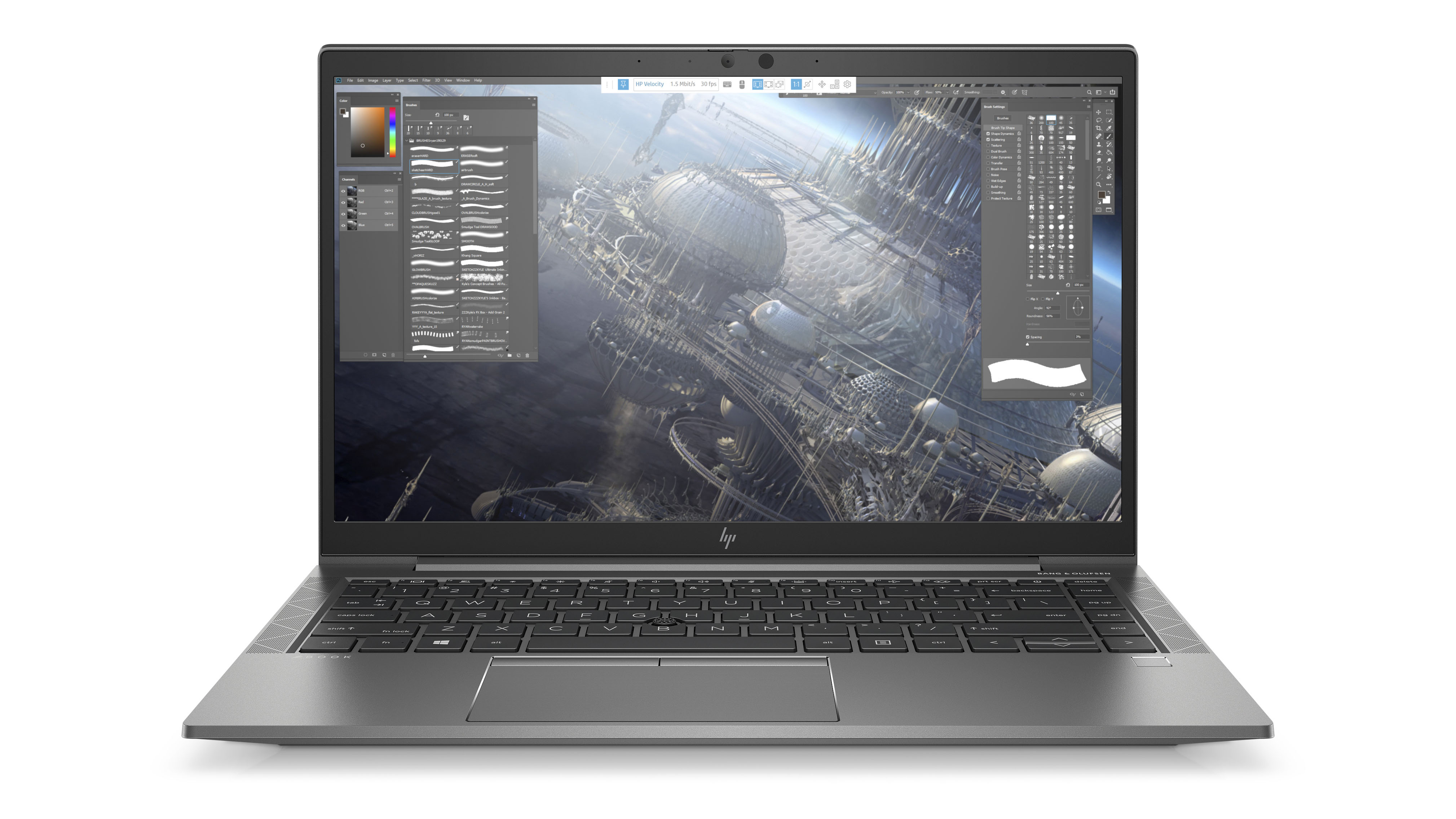
HP's ZBook Firefly mobile workstations mix together pro-grade specs with a sleek, go-anywhere chassis.

HP's ZBook Firefly mobile workstations mix together pro-grade specs with a sleek, go-anywhere chassis. (Image credit: HP)

Laptops for designers, creators and pros 

HP’s G7 ZBooks offer a wide variety of sizes, designs and capabilities, with a portable workstation to suit every type of power user. At the most accessible end of the range are the ZBook Firefly G7 laptops, which come in both 14-inch and 15-inch flavours. 

They don’t just look good with their aluminium chassis and suave styling – they also offer military-grade robustness and HP’s top, corporate security features, including a smartcard reader. At 1.69kg (15-inch) and 1.34kg (14-inch) and with sub-20mm thickness when closed, they’re light enough to go anywhere, while the 17-hour battery life ensures that you can work remotely all day long. There’s even a built-in 4G modem to ensure that a fast connection to the internet (and your office) is available when out and about. 

All models utilise top-shelf 10th Gen Intel® Core™ processors, support up to 32GB RAM and can provide up to 2TB of super-fast NVMe storage. However, boosting them into true, workstation territory is the Nvidia Quadro P520 graphics processor, which is perfect for CAD users, designers, developers, data scientists and coders alike.
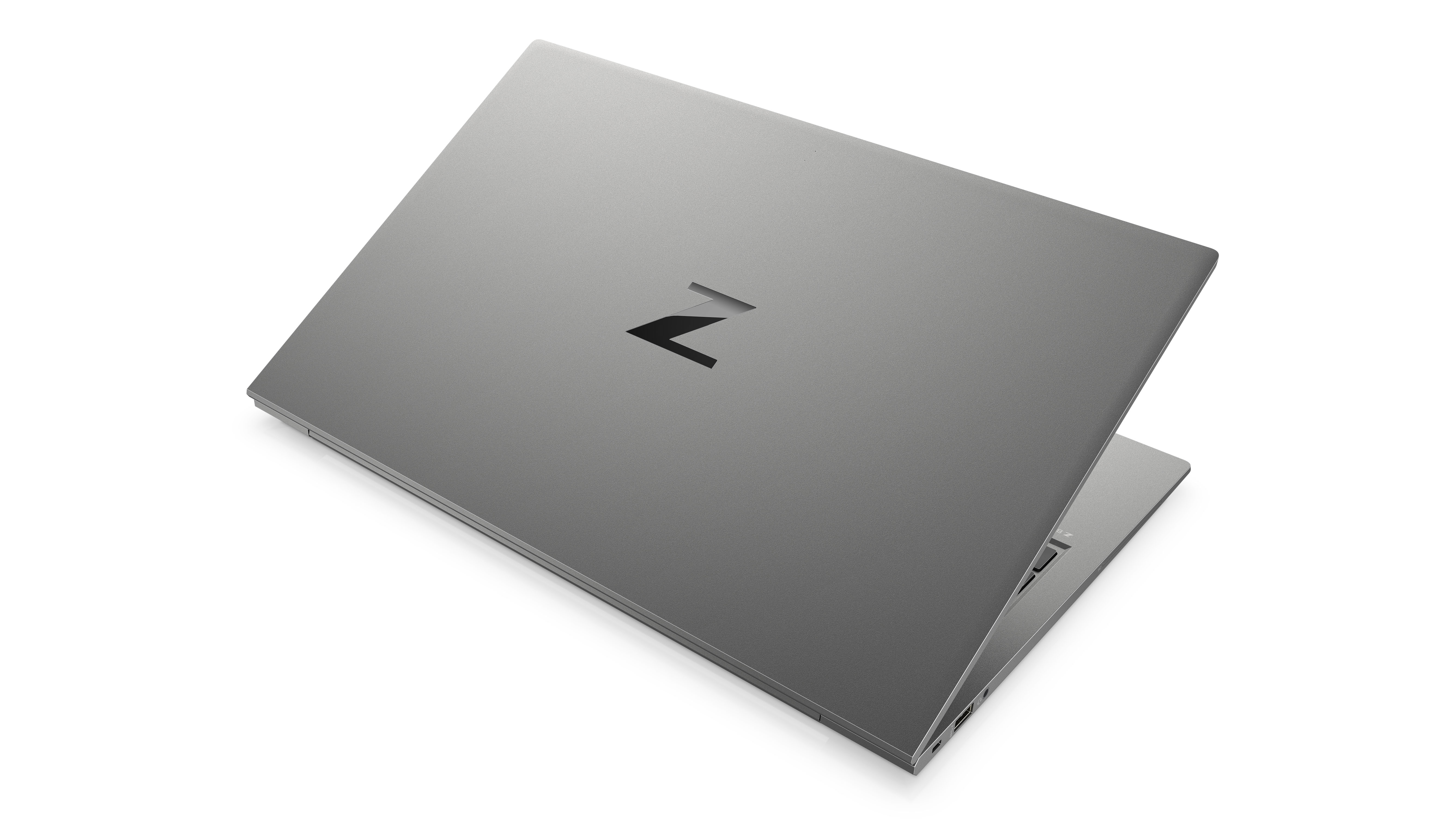
HP Firefly laptop

The ZBook Firefly line may be sleek, you can still easily plug in external peripherals or a monitor thanks to its full-sized USB 3.1 and HDMI 1.4b ports. (Image credit: HP)

The premium, work-focused features you need

Such professionals will also warm to the Firefly’s 4K UHD screens which offer a new, all-round, super-thin bezel, up to 550-nit brightness and VESA DisplayHDR 400 contrast certification. They also employ HP Sure View Reflect technology to fend off wandering eyes from nosey neighbours, narrowing viewing angles to just 45o to ensure what’s on your screen stays private. 

The new keyboard is quieter and more comfortable to type on, the webcam has a privacy slider and a new standby feature allows for instant-on power resume. Intriguing audio features include a third, ‘world facing’ microphone which can either be used to better-capture colleagues’ conversations in a meeting room or provide superior ambient noise reduction. There are also Bang & Olufsen-tuned speakers, which offer HP noise cancellation technology and, despite the svelte chassis, are able to deliver a punchy 74dB of audio volume with an impressive 450Hz bass roll-off. 

Connectivity upgrades over previous generations see Thunderbolt-3 compatible USB-C ports added to the mix along with blistering, Wi-Fi 6 wireless speeds.

Other optimisations involve creative workflows with a variety of certified applications like Adobe Creative Cloud, SOLIDWORKS and AutoCAD plus remote access to high-end, rendering and 3D visualization workflows using ZCentral Remote Boost. Ultimately, the Firefly ZBooks are perfect for technical and creative managers, power users and STEAM students.
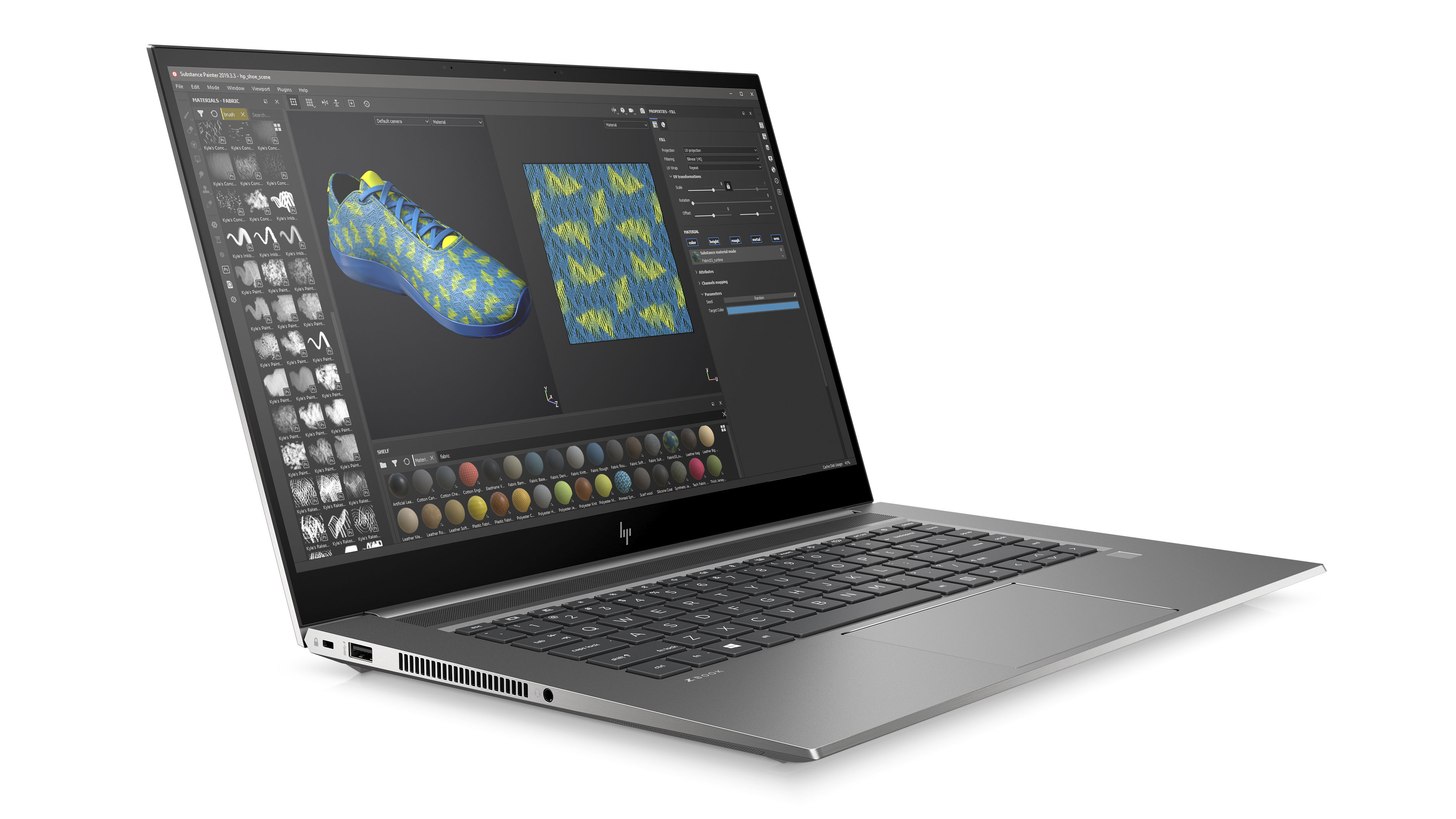
The ZBook Studio G7 offers a DCI-P3 factory-calibrated display with Pantone validation, so it's ready to handle demanding design-oriented tasks out of the box.

The ZBook Studio G7 offers a DCI-P3 factory-calibrated display with Pantone validation, so it's ready to handle demanding design-oriented tasks out of the box. (Image credit: HP)

Step up a notch

Dialling things up a notch is the 15-inch ZBook Studio G7. This offers the core features of the Firefly models but with added performance in key areas for professionals who can’t compromise. For the first time on a laptop, HP’s one-billion-colour Pantone-validated DreamColor technology is made available, which can display 100% of the complex DCI-P3 colour space. Other display options include a Full HD, low-power (1W) variant, Sure View privacy filtering, and there’s a Gorilla Glass 6-fabricated touchscreen model. Audio technology enables an even deeper 150Hz bass roll-off.

If you’re considering coming over from a Mac, there’s also an optional Z Command keyboard layout, which makes using function key modifier shortcuts simpler for switchers.

Bespoke cooling technology uses custom, composite fans, vapor chambers and Z Predictive fan algorithms to keep the Studio’s operation whisper-quiet, even when under load. With just a 17.5mm thickness, 1.7kg weight and 17.5-hour battery life, this powerful, professional machine remains incredibly portable.

Design pros may also want to note that the ZBook Studio G7 has a sibling called the ZBook Create G7. The latter sports an HDMI 1.4 socket as opposed to a Mini DisplayPort, but otherwise the key difference is that Nvidia’s consumer-oriented RTX graphics processor is used in preference to the Studio’s Quadro P520 GPU. 

Ready for the jobs of today – and tomorrow
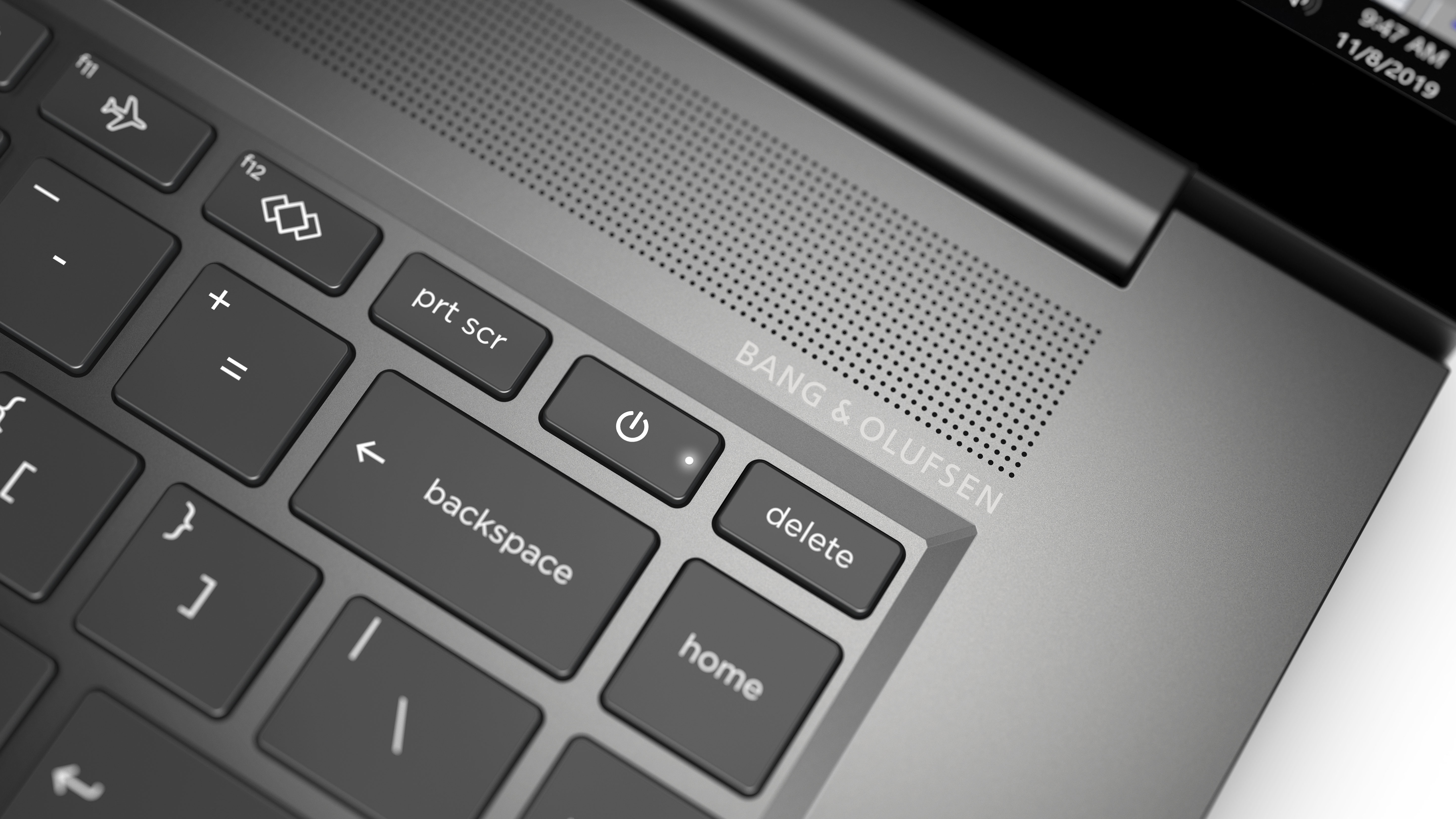
With built-in Bang & Olufsen speakers, the ZBook Firefly and Studio can output powerful sound.

With built-in Bang & Olufsen speakers, the ZBook Firefly and Studio can output powerful sound. (Image credit: HP)

All of HP’s ZBooks are VR-ready to enable 3D designers and engineers to use headsets to create within a virtual space, test schematics and layouts and offer a deeper level of engagement to stakeholders – allowing them to better understand projects.

HP has created the ZBooks with an eye on sustainability too. Ocean-bound plastics are reused where possible and the devices are EPEAT Gold certified by the Green Electronics Council.

Whether you want a professional laptop for 3D design, CAD, graphics rendering, compiling code, streaming media, professional photography, videography or to design and play games, HP’s latest ZBook G7 range has you covered. The sleek, go-anywhere tools can tackle any creative or professional task, and don’t sacrifice portability or looks to get there. 

Click here for more information on the full ZBook range

Need even more power? Consider an HP Z4 desktop
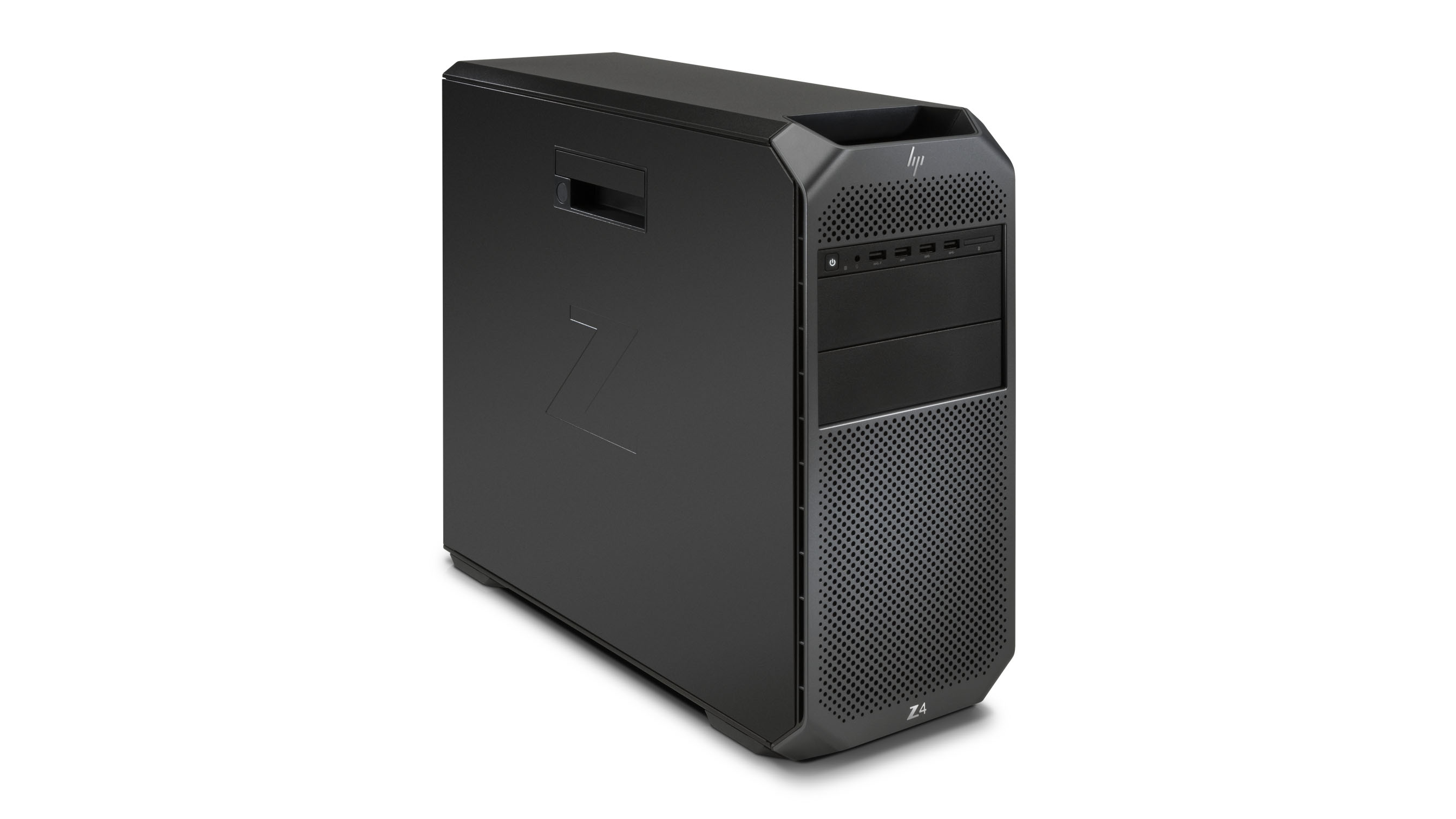
HP Z4 G4 Workstation

(Image credit: HP)

Of course, not everybody wants to take their work with them – and some users need a machine with the kind of unbridled power that can’t easily be moved around. For designers, creators and other professionals who require ultimate computing performance, there’s the HP Z4 G4 Workstation range. 

Supporting Intel® Xeon® processor with up to 18 cores, multiple operating systems, ECC memory and over 40 PCIe lanes, this range of powerhouse PCs is highly configurable and can use multiple Nvidia and AMD workstation graphics cards, plus multiple superfast network ports. 

The new industrial chassis design befits the coolest office, while rigorous testing and certification processes ensure ultimate reliability and longevity. Discover the Z4 desktop workstation here.

from TechRadar - All the latest technology news https://ift.tt/2TsuPj0

Here's a smartphone boasting a physical keyboard and it runs Linux

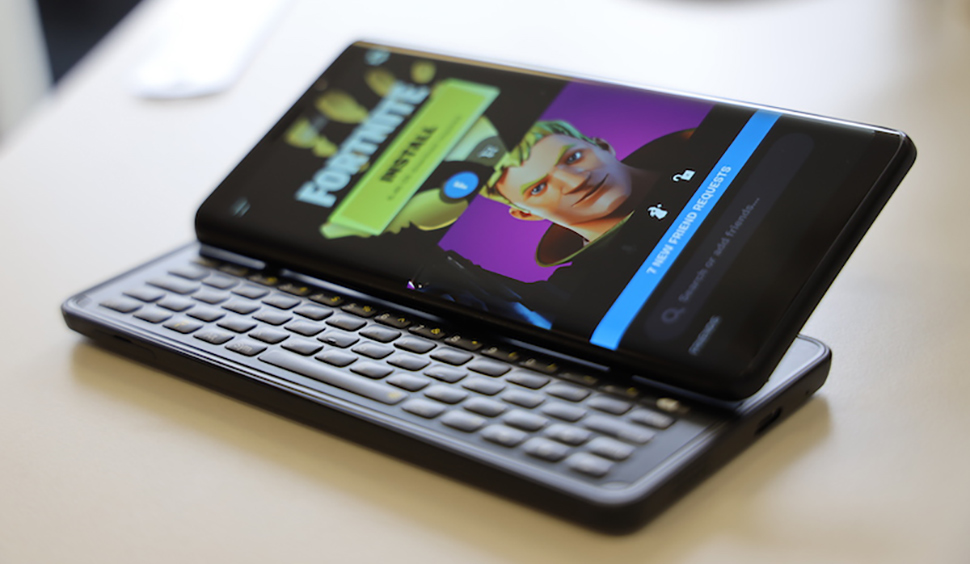
F(x)tec has announced a rather unique smartphone that combines a slider form-factor, a physical keyboard, and a choice of operating systems a rare combination for 2020. 

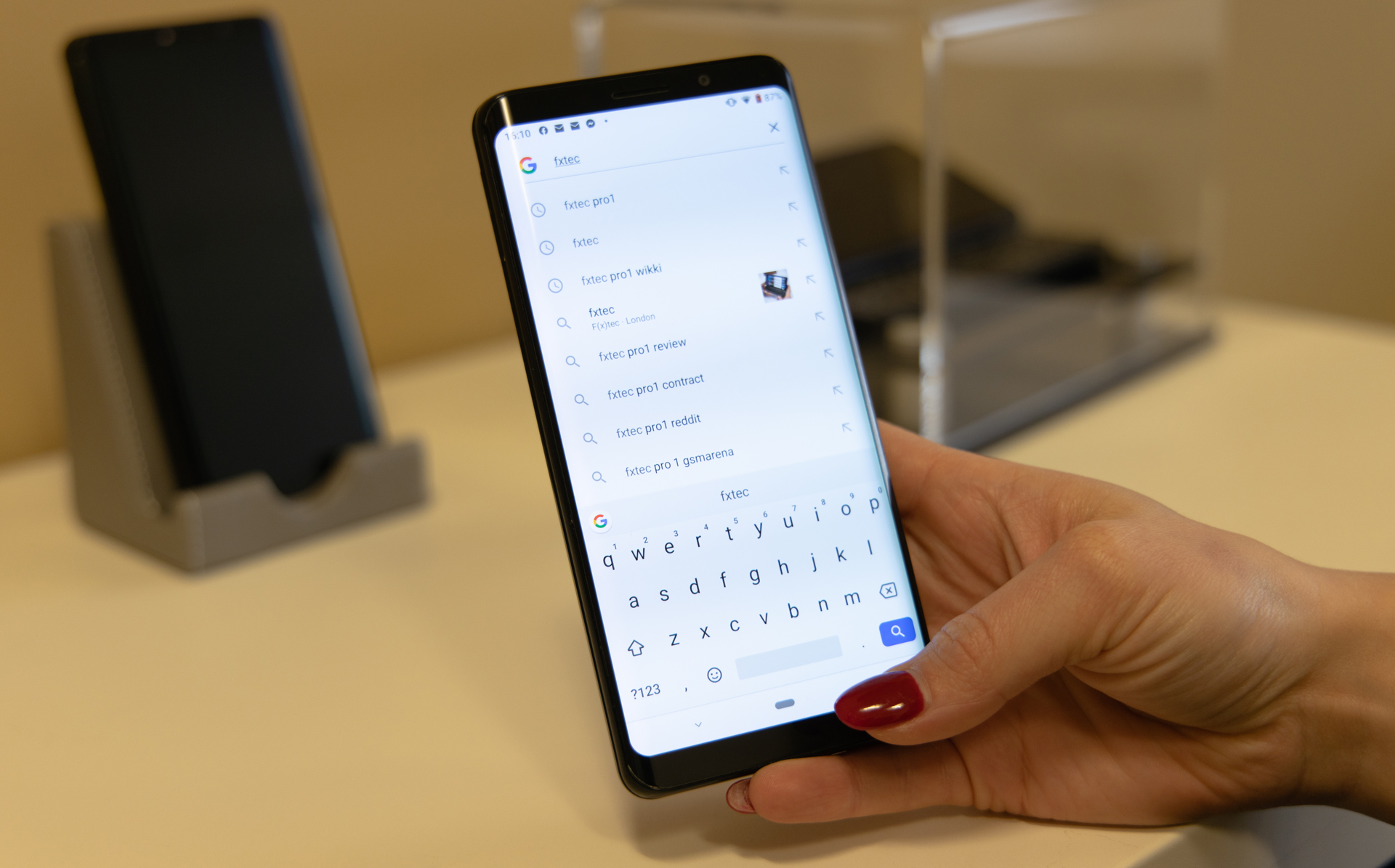
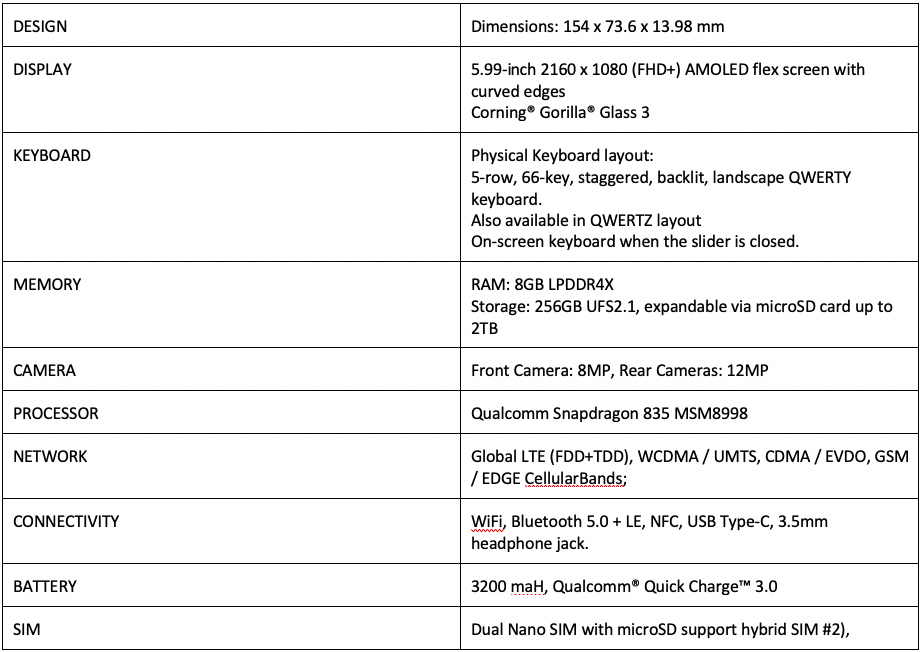
The F(x)tec Pro1-X is an angled slider smartphone equipped with a 5.99-inch AMOLED monitor featuring a 2160×1080 resolution as well as a five-row 66-key landscape QWERTY keyboard. 

The handset is powered by a relatively outdated Qualcomm Snapdragon 835 system-on-chip that is accompanied by 6GB or 8GB of LPDDR4X memory as well as 128GB or 256GB of UFS 2.1 storage that can be expanded using a microSD card.

The rise of Google Android-based handsets in candy bar form-factors to a large degree halted development of competing form-factors, such as sliders and clamshells, as well as smartphones with physical QWERTY keyboards.

Unique

The F(x)tec Pro1-X is certainly not your typical Android smartphone, as it  offers the choice of LineageOS or Ubuntu Touch operating systems out of the box. 

The LineageOS is essentially a refined Android that has advanced controls and privacy permissions, whereas the Ubuntu Touch offers users capabilities of a fully-fledged Linux PC. The smartphone has a landscape-optimized launcher and supports customizable shortcut, but since far not all Google Android applications are optimized for hardware keyboards, not all programs will be able to take full advantage of the device.  

The F(x)tec Pro1-X can be connected to a display using a USB Type-C cable and be used like a regular Linux personal computer. The touchscreen display can act like a trackpad, whereas the keyboard can be used to input text.

(Image credit: F(x)tec )

By today’s standards, imaging capabilities of the F(x)tec Pro1-X are rather modest: the smartphone is equipped with 12MP (Sony IMX363) main sensor, a 5MP fixed focus sensor, a LED flash, and an 8MP sensor for selfies. For a business-oriented smartphone, imaging may not be the most important quality. But connectivity certainly is. 

(Image credit: F(x)tec )

The handset supports global 4G/LTE (FDD+TDD) as well as WCDMA, UMTS, CDMA, EVDO, GSM, and EDGE networks. In addition, the smartphone supports Wi-Fi 6, Bluetooth 5.0 + LE, and NFC.

(Image credit: F(x)tec )

The F(x)tec Pro1-X is an impressive device, but unfortunately it will not be available immediately, with the company saying it aims to ship in March 2021. 

Super early birds will be able to obtain a 8GB/256GB version of the smartphone for $499 from Indiegogo, but the rest will have to pay $799, which is not exactly cheap considering this is a handset based on an SoC from 2017.

(Image credit: F(x)tec )


from TechRadar - All the latest technology news https://ift.tt/33SlwPg

Kayo Sports will soon get a free subscription tier

The only Australian streaming platform dedicated to sports is set to change things up next year, with the Foxtel-owned Kayo Sports planning to introduce a new free subscription tier in 2021, according to CEO Patrick Delany.

A specific date when this "freemium" option will be available hasn't yet been confirmed, but it will only include some on-demand games, clips and shows at launch.

The biggest drawcard for this free tier will be the availability of select live sports, starting off with the 2021 V8 Supercars season – the calendar for which is yet to be confirmed. 

Delany says more sports will be available to watch live down the line, but only a few races or matches of each season will be available for free. All you will need to get streaming for free will be the app and to create a free account. Customers who have paused their Kayo subscription will also be able to access the free tier.

Kayo has a huge number of features that cater to the die hard sports fan – SplitView to stream several games at the same time, interactive stats, a match centre and multiple camera angles, to name a few. Whether these will be available on the "freemium" subscription tier is as yet unclear.

Kayo Sports currently has about 600,000 subscribers, and it's hoping this strategy to pull in more sports fans will be a winning one, allowing prospective subscribers to sample the platform before giving them the option of paying for the full service.


from TechRadar - All the latest technology news https://ift.tt/2HA79Xj

This technology paves the way for 100TB hard disk drives

Heat Assisted Magnetic Recording (HAMR) is literally one of the hottest new developments in the storage industry. 

The HAMR technology significantly enhances the amount of data that can be stored on a magnetic device such as hard disks. It works by temporarily heating the disk material during the writing process, which allows a lot more data to be written in the same area. 

While standard disks based on conventional magnetic recording methods have a recording density of approximately 1.14 Tb/in2, HAMR-based media can achieve recording density of 5-6Tb/in2. To put that into perspective, the standard 3.5-inch HDD created using HAMR could potentially store between 70-80TB of data, which is up to four times more than the current largest hard disk drive, Seagate’s 20TB Exos

Pushing the envelope

Now, even before this hard disk drive (which is built using HAMR) hits the shelves in December 2020, a team of three researchers at the Tohoku University, in Sendai, Japan have devised a novel approach to squeeze in even more data. 

The team of Simon John Greaves, Hikaru Yamane, and Yoichiro Tanaka have used a couple of bit patterned media (BPM) dots with two magnetic structures to store two bits of information in each dot. 

Storing the two bits by writing at high and low temperatures, the researchers were able to achieve a storage density in excess of 7Tb/in². Thanks to their research, 100TB disks are no longer a pipe dream and closer to reality than ever before.


from TechRadar - All the latest technology news https://ift.tt/3mtwFNc

Nvidia RTX 3090 vs RTX 2080 Ti: A titan to challenge the king

The Nvidia RTX 3090 is the new performance king. Until we see Super or Ti variants, it’s the best that Team Green is offering, and it’s not throwing a Titan label on it to classify it outside of the mainstream. So, while Nvidia seems to want to claim that this flagship-level graphics card isn’t a follow-up to the Nvidia GeForce RTX 2080 Ti, that’s still effectively what it is – it’s just more expensive.

And while we probably won’t see any Black Friday deals around the Nvidia GeForce RTX 3090 (or even the RTX 2080 Ti), there will likely be a lot of buzz around this top-end graphics card throughout the holiday season. So, we thought it would be a good idea to see how it stands up against its Turing predecessor, the Nvidia GeForce RTX 2080 Ti.

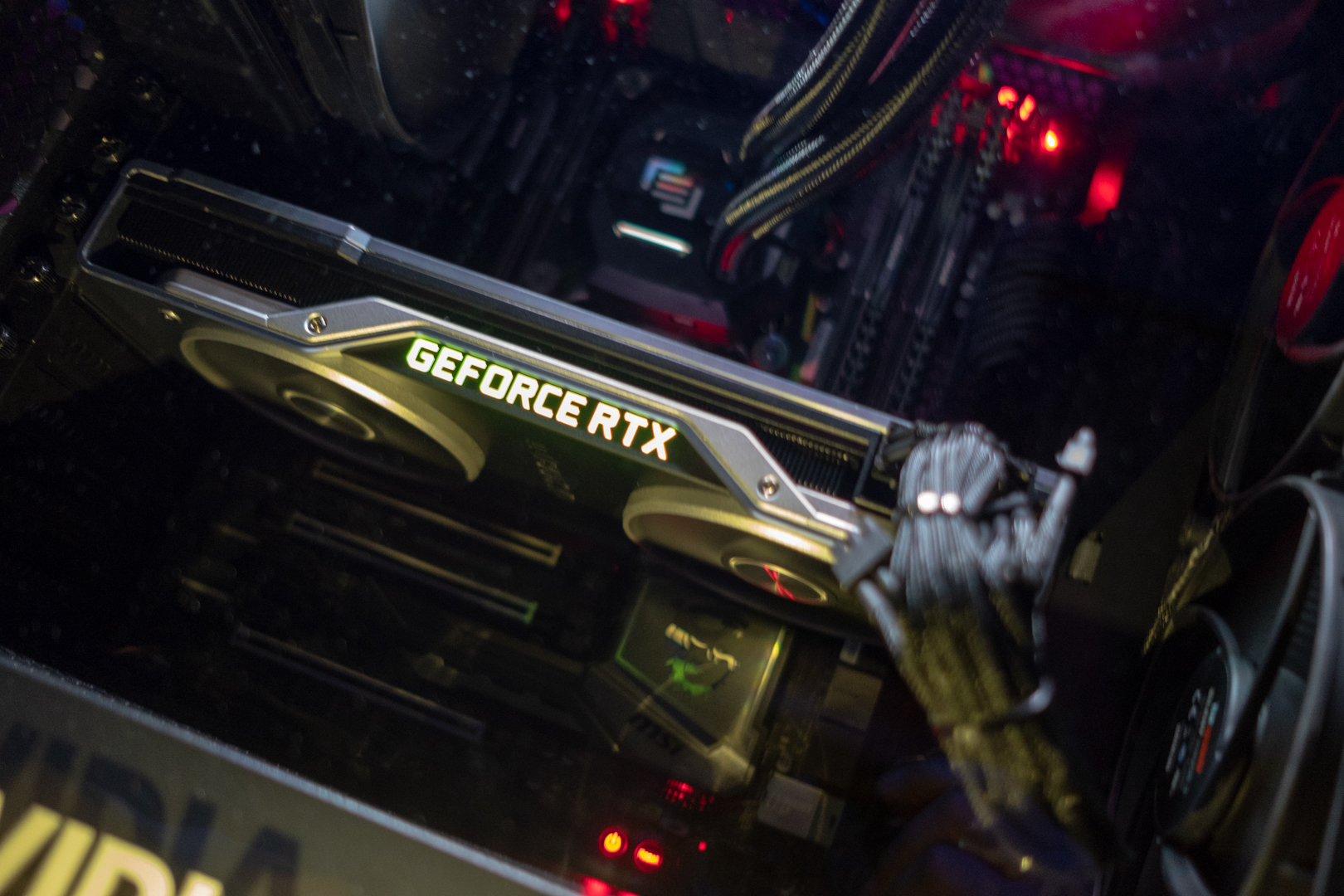
2080 Ti

(Image credit: Nvidia)

Nvidia RTX 3090 vs RTX 2080 Ti: Price

Unlike the rest of the Nvidia Ampere cards, the RTX 3090 actually costs more than the RTX 2080 Ti. The RTX 3090 costs $1,499 (£1,399, around AU$2,030), whereas the RTX 2080 Ti launched at $1,199 (£1,099, AU$1,899). Neither card is exactly priced where it should be, though.

High demand for Nvidia’s new Ampere graphics cards have made it hard to find them for sale at their retail prices, and a quick look around the market shows the RTX 2080 Ti still selling for more than its retail price in many cases. So, while the RTX 2080 Ti should be cheaper than the RTX 3090, it’s uncertain when or if you’ll be able to find either appropriately priced.

In any case where the RTX 2080 Ti costs more than the RTX 3090, we’d say to go with the 3090. 

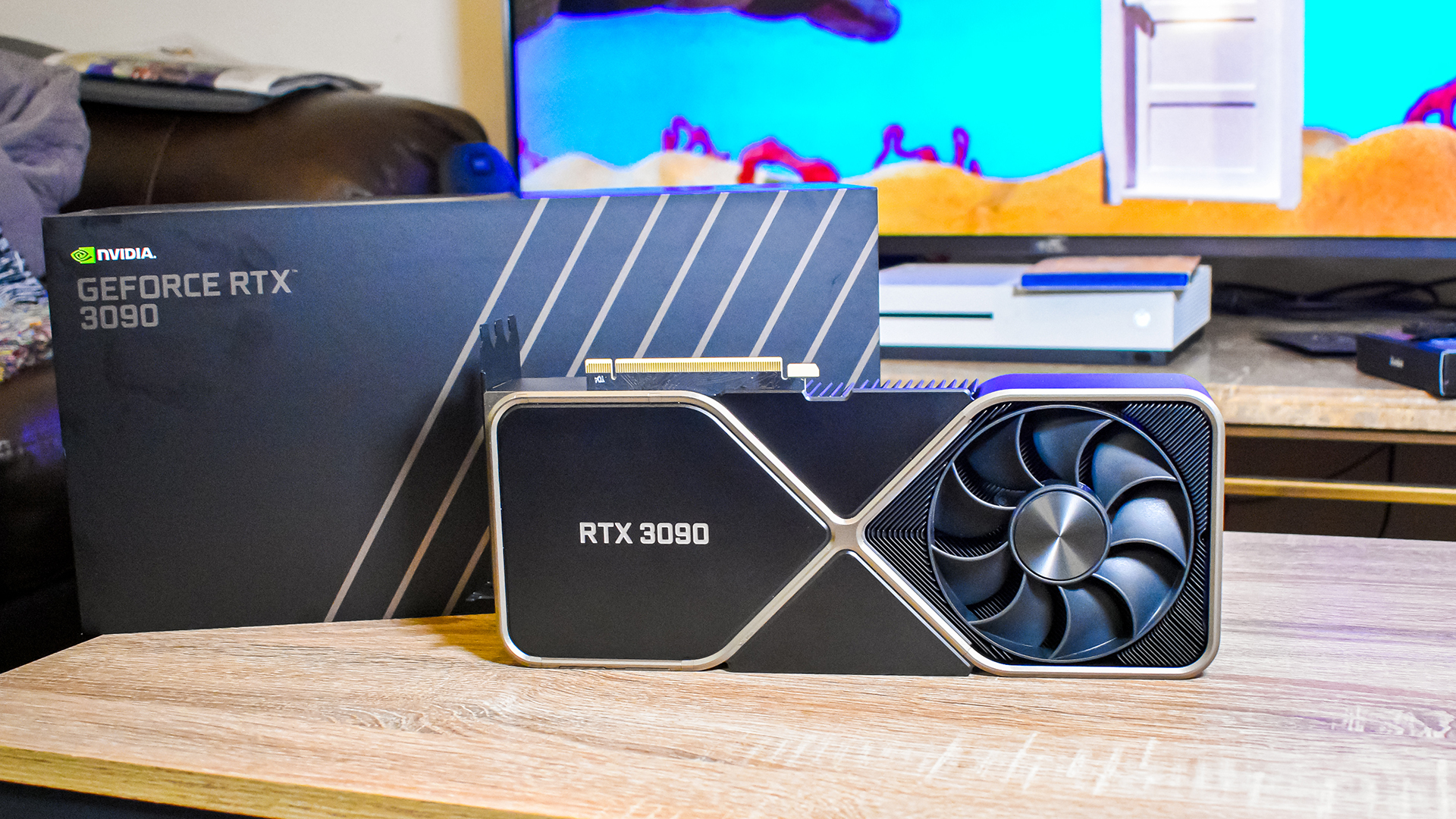
Nvidia RTX 3090

(Image credit: Future)

Nvidia RTX 3090 vs RTX 2080 Ti: Specs

The RTX 3090 doesn’t leave much hope for the RTX 2080 Ti when it comes to specs. The new card features 10,496 CUDA cores compared to the older card’s 4,352 CUDA cores. That’s more than double, and still stands out even when considering the new design sees its cores split between FP32 (Floating Point 32)-dedicated cores and cores that can tackle either FP32 or INT32 (Integer 32) operations. So, even if the split-duty cores were all focused on INT32 operations, the remaining FP32-based CUDA cores would still outnumber those found on the 2080 Ti by a wide margin.

The RTX 3090 may have fewer Tensor cores at 328, but they are a newer version than the RTX 2080 Ti’s 544 Tensor cores. And, when it comes to ray-tracing, the 3090’s 82 RT cores have an edge over the 2080 Ti’s 68 RT cores. The new card even runs at higher clock speeds with a 1,395MHz base clock and a 1,695MHz boost compared to the 1,350MHz base and 1,635MHz boost of the RTX 2080 Ti.  

The gap only widens when looking at the memory. The RTX 2080 Ti features a respectable 11GB of GDDR6 on a 352-bit bus for 616GB/s of memory bandwidth. But, the RTX 3090 jumps up to Titan territory with 24GB of GDDR6X on a 384-bit bus for a whopping 936 GB/s memory bandwidth. 

All that power in the RTX 3090 does come at a price. The card has a 350W power draw, meanwhile the RTX 2080 Ti has what now seems like a modest power draw of 260W. 

One other spec gamers shouldn’t overlook is the HDMI port. If you’re planning to game on a 4K/120Hz or 8K TV, the RTX 3090’s HDMI 2.1 port will be a must-have. The RTX 2080 Ti features HDMI 2.0, which can only get you to 4K/60Hz without dumping HDR, and color depth. That said, you can mostly ignore this if you’re using the best gaming monitors, since DisplayPort on either card can deliver substantially more bandwidth for high resolution and frame rates.

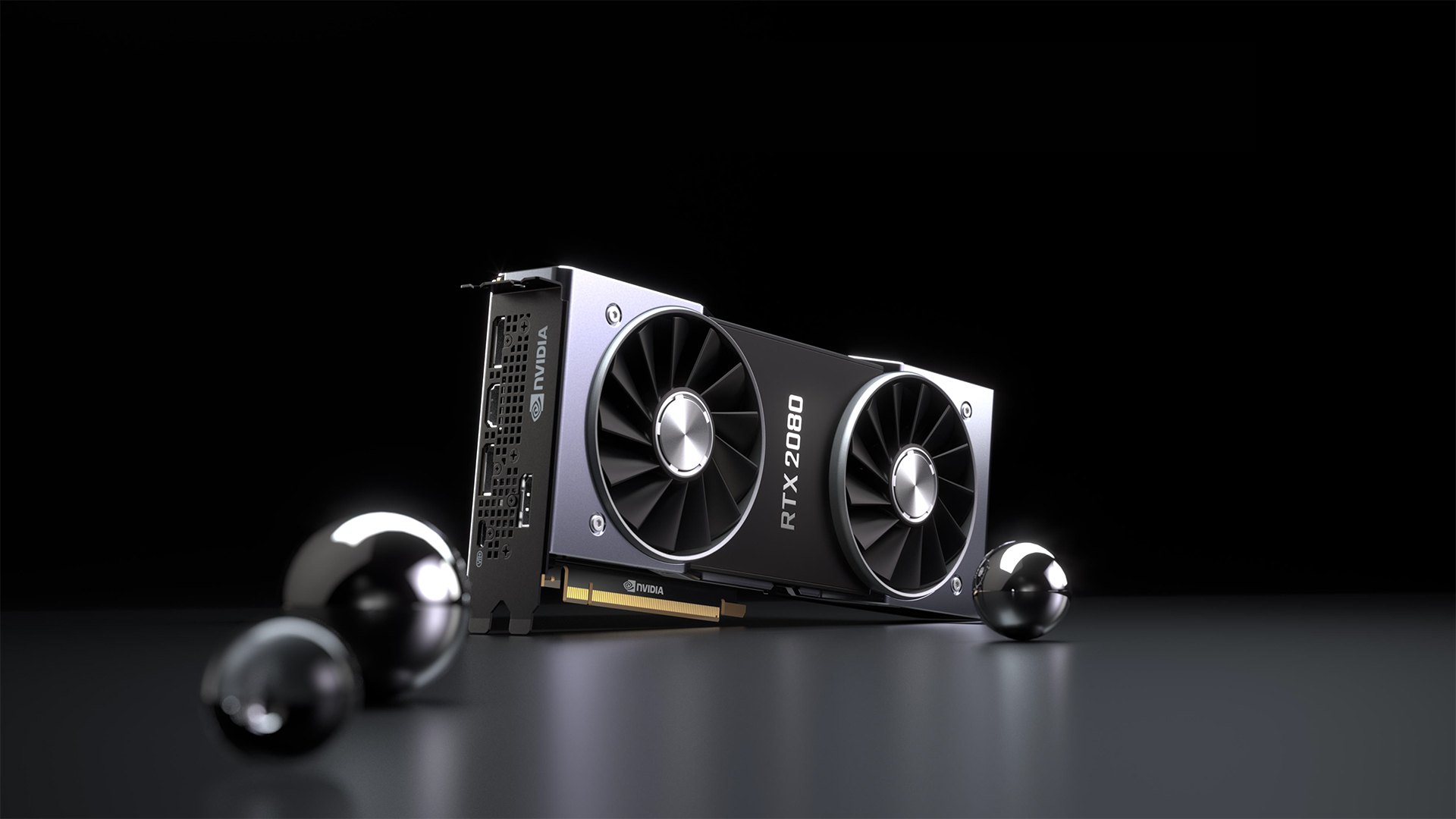
2080 Ti

(Image credit: Nvidia)

Nvidia RTX 3090 vs RTX 2080 Ti: Performance

Let’s just get this out of the way: The RTX 3090 probably shouldn’t be on your shopping list if you’re not planning to do some serious creative work or game at 4K. It shows its muscle in the higher resolutions far better than it does at lower resolutions, and you don’t want to leave any performance untapped when you’re paying a serious premium to get it.

So, we’re only going to focus on 4K performance here. And, when it comes to that, the RTX 3090 trounces the RTX 2080 Ti. Across our gaming benchmarks in everything from Metro Exodus and Horizon Zero Dawn to Total War and Grand Theft Auto V, the RTX 3090 showed at least 38% higher average frame rates, and overall it had 42% higher performance. It outclassed the RTX 2080 Ti by 45% in our synthetic benchmarks, which consisted of Time Spy Ultra, Fire Strike Extreme, and Port Royale.

And, even though the RTX 3090 drew 81W more power from the wall at its peak, its temperature topped out at 69C, whereas the 2080 Ti ran hotter at 84C. 

Nvidia RTX

(Image credit: Nvidia)

Nvidia RTX 3090 vs RTX 2080 Ti: Which should you buy?

The choice between the RTX 2080 Ti and RTX 3090 will largely depend on how you plan to use it. If you’re hoping to game on a 4K/120Hz TV with HDR, you’ll need the RTX 3090. For gaming in 4K, the RTX 3090 hits averages over 60fps more frequently than the 2080 Ti, and future support for DLSS in more games will likely give it even more of a lead.

Assuming the price of the RTX 2080 Ti starts to come down some to actually sit below the RTX 3090’s price, it could be the better option for gamers looking to get strong value in esports where 4K isn’t as big of a draw. But, if the RTX 2080 Ti still costs over the $699 (£649, about AU$950) price tag of the RTX 3080, it won’t be as compelling.

Outside of gaming, the RTX 3090 will likely easily earn its keep with the substantial increase in VRAM capacity and speeds. 

So, while the RTX 2080 Ti could still offer value in a matchup with the RTX 3090, its matchup against the RTX 3080 doesn’t leave it much of a place in the market. 


from TechRadar - All the latest technology news https://ift.tt/34wEcog

2021 Jaguar E-Pace pounces on more tech, upgraded style - Roadshow

The outside's changes are minor, but inside looks pretty swell.

from CNET News https://ift.tt/3kyTbDC

Jon Stewart to host a brand new show for Apple TV+ - CNET

Five years on from The Daily Show, Jon Stewart is returning to screens.

from CNET News https://ift.tt/37LE8Tv

Microsoft's search revenue decline could spell bad news for Google

The company's search ad results have shown a correlation to Google's.

from Tech https://ift.tt/31QP1j4

Disneyland's reopening troubles explained: Here's when the theme parks can reopen - CNET

Here's how California's state rules will affect the reopening of the iconic original Disney theme parks. from CNET News https://if...